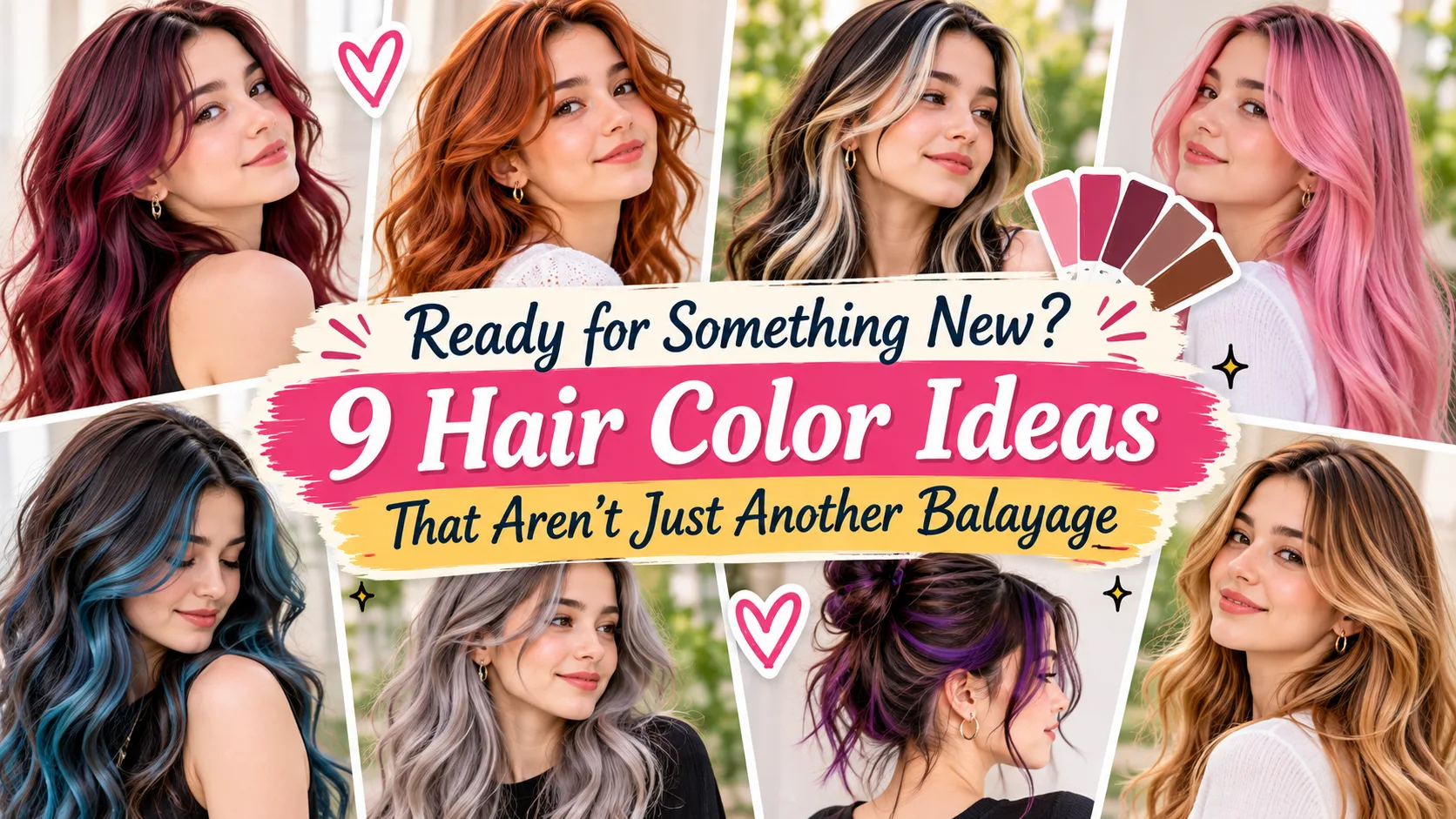
Ready for Something New? 9 Hair Color Ideas That Aren’t Just Another Balayage
You sit down in the salon chair. Your colorist hands you a swatch book with dozens of little hair samples. You flip through it, panic slightly, and say the same thing you said last time: “Maybe just some highlights?”
It happens a lot. Hair color feels risky, so it’s easy to stick with what’s familiar.
But there’s a whole world of shades and techniques beyond the usual highlights and balayage. Some are bold. Some are surprisingly soft. A few are clever placement tricks that change your look without changing your whole head of hair.
These hair color ideas are grouped by how bold they feel, so you can find something that suits your comfort level. Before the list, though, a few honest tips that can save your hair and your budget.
Four Things to Know Before You Book
Your starting color matters. Going darker is usually easier than going lighter. Light, bright, and pastel shades often need bleach first, which can take more than one appointment.
Do a patch test. Follow the manufacturer’s allergy-alert test instructions and your salon’s policy before using hair dye. Some products ask for a test around 48 hours beforehand, but the exact instructions vary. A reaction can develop even if you’ve colored your hair safely before. If you’ve ever reacted to hair dye, speak to your colorist or a doctor first.
Ask about upkeep. Some colors fade fast and need a refresh every few weeks. Others grow out softly for months.
Bring photos. Show your colorist pictures of what you love, and what you don’t. Words like “warm” or “ashy” mean different things to different people.
Bold and bright (three ideas):
Vivid Ruby Red
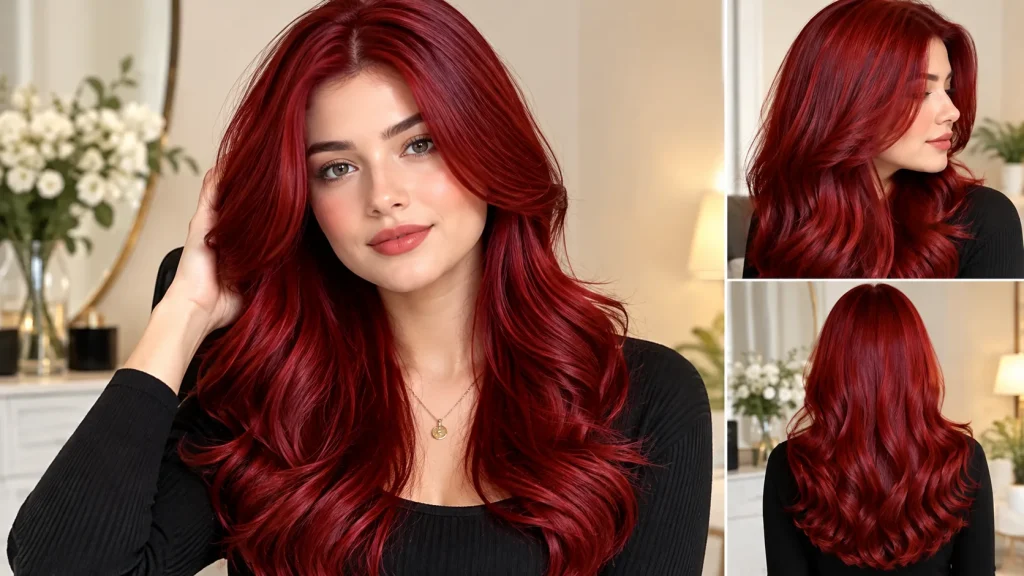
Ruby red is a noticeably bright, jewel-toned red. It’s brighter and cooler than copper, with a rich, glossy finish that looks almost wet in sunlight.
The exact shade can be adjusted for different skin tones. Undertones can guide the choice, though they aren’t strict rules: some people prefer berry-leaning rubies with cool undertones, and slightly warmer rubies with golden ones.
What to expect:
- Dark hair may need some lightening first to get a bright ruby result
- Red is known for fading faster than many other shades
- Color-depositing conditioners can help keep it vibrant between appointments
Cool water and a sulfate-free, color-safe shampoo help it last longer. Red dye can also transfer onto pillowcases and towels at first, so darker linens help.
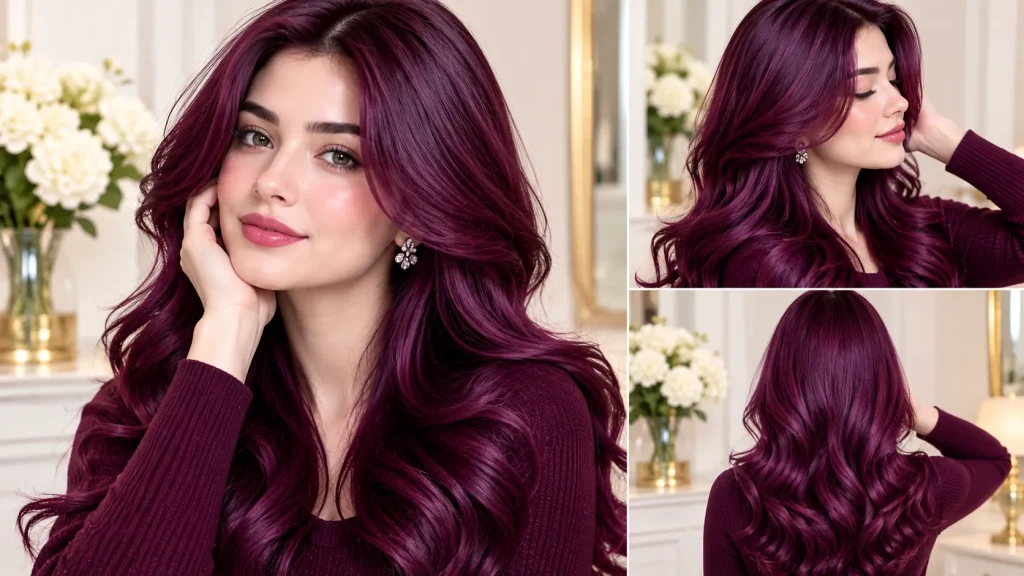
Deep Plum
Deep plum is a dark brown-purple with a subtle violet reflection. In low light, it can look almost dark brown. In the sun, that violet shine shows through.
That makes it a smart pick if you want something different but still workplace-friendly. It feels dramatic up close and subtle from across the room.
It often works well on naturally dark hair, since many plum shades can be deposited without heavy lightening.
Picture long, dark hair with a glossy plum tint, styled in loose waves. Indoors, it reads as a deep brunette. Outside, the purple tones come alive.
Plum can fade toward a reddish brown over time. Ask your colorist about a plum refresh treatment that suits your exact shade.
Pastel Peach
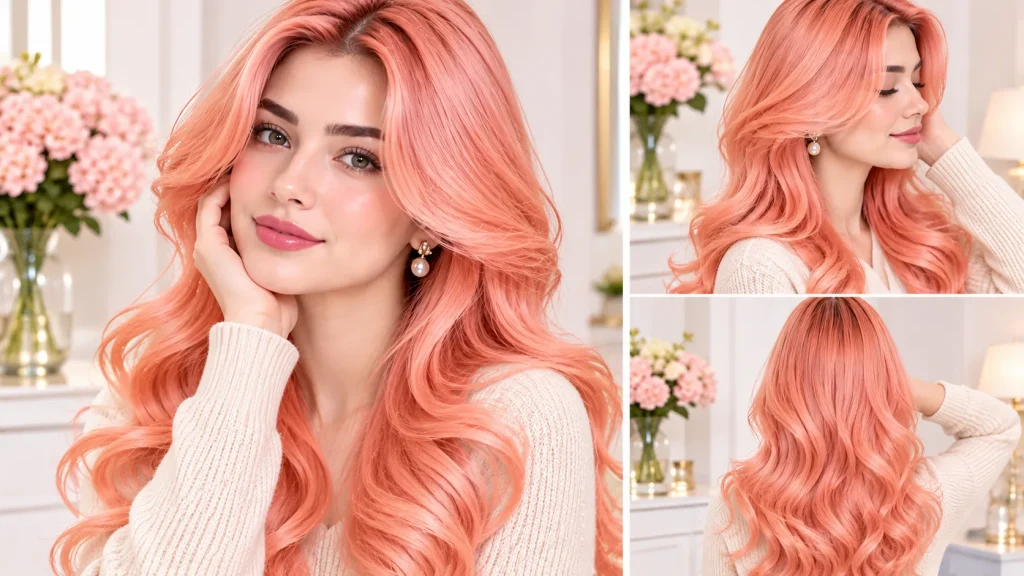
Peach is a soft, warm pastel, somewhere between apricot and pale pink. It feels fresh, sunny, and a little dreamy.
It’s a gentle way to try a fashion color without going too loud.
Pastel peach usually needs hair lightened to a very pale blonde first. If you’re starting dark, that may take several sessions, and it can affect your hair’s condition. A good colorist will check your hair’s health before going ahead.
Pastels fade fast, often within a few weeks. Many people keep the shade fresh with a peach-tinted conditioner or mask at home.
If full peach feels like a big leap, try it on the ends only, or as a few soft pieces around the face.
Rich and moody (three ideas):
Mauve Brunette
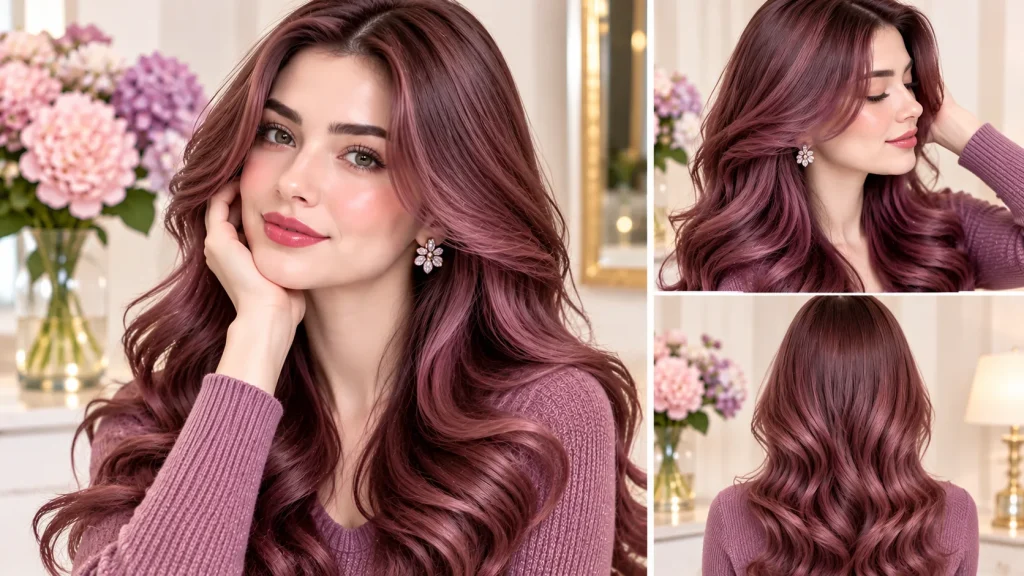
Mauve brunette is a muted brown with a dusty rose-purple tint. Where plum is dark and violet, mauve is softer, lighter, and more rosy.
Think of it as the more romantic cousin of a classic brown. In some lights, it looks like a soft cocoa. In others, you’ll notice that gentle rosy-violet hue.
It tends to suit people who like cool tones, and it can look especially lovely with light or medium skin with pink undertones. That said, a colorist can adjust the balance of brown and mauve to suit warmer complexions too.
Depending on your starting color and the intensity you want, mauve brunette may be achieved with a tinted gloss, toner, or a combination of lightening and color. Darker natural hair may need some preparation to show the mauve tones clearly. Glosses and toners fade, so you may need a refresh every six to eight weeks.
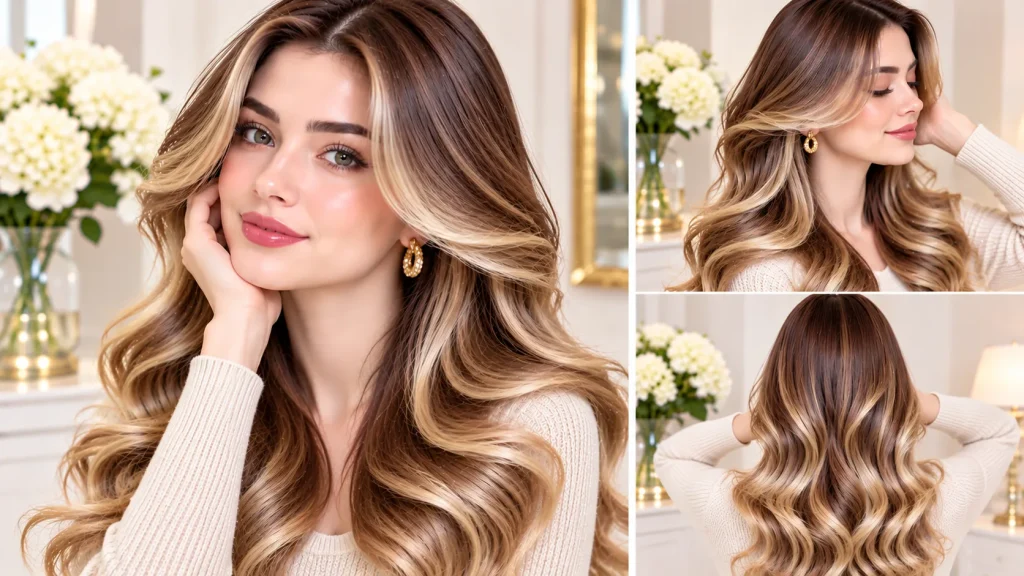
Tiger Eye Brown
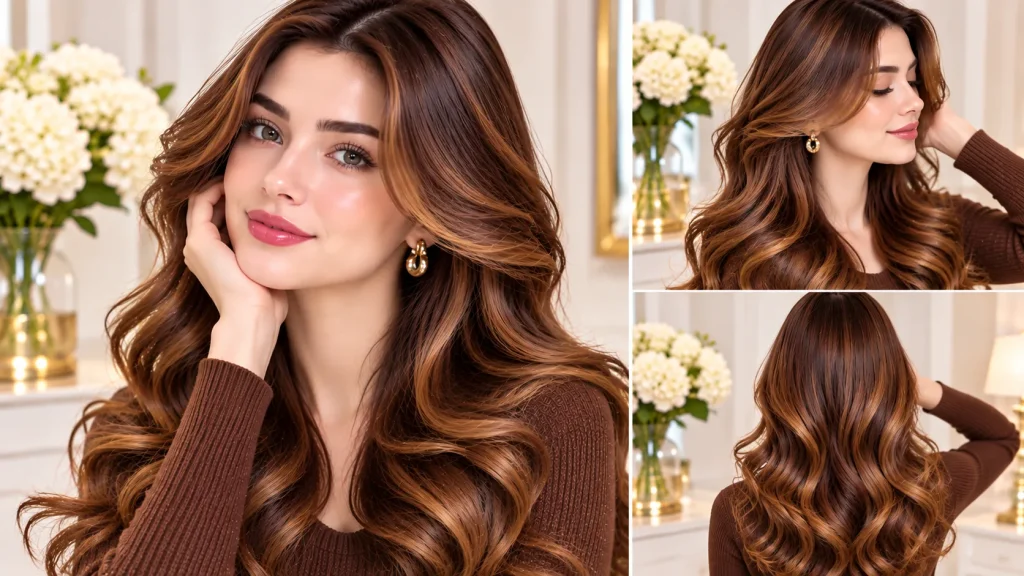
Tiger eye hair is inspired by the gemstone, with its swirls of dark brown, warm amber, and golden caramel.
Unlike a simple dark-to-light gradient, tiger eye coloring focuses on placing ribbons of amber, caramel, and warm brown throughout the hair, so they appear as you move. Colorists may use balayage or other highlighting techniques to create the effect.
Why people love it:
- It adds warmth and dimension to dark brown hair
- It grows out softly, since the root stays close to your natural shade
- It looks rich and natural in photos
Ask your colorist for amber and caramel tones placed through the mid-lengths and ends, with your natural depth kept at the root.
A toner or gloss every few months can stop the warm pieces from turning brassy.
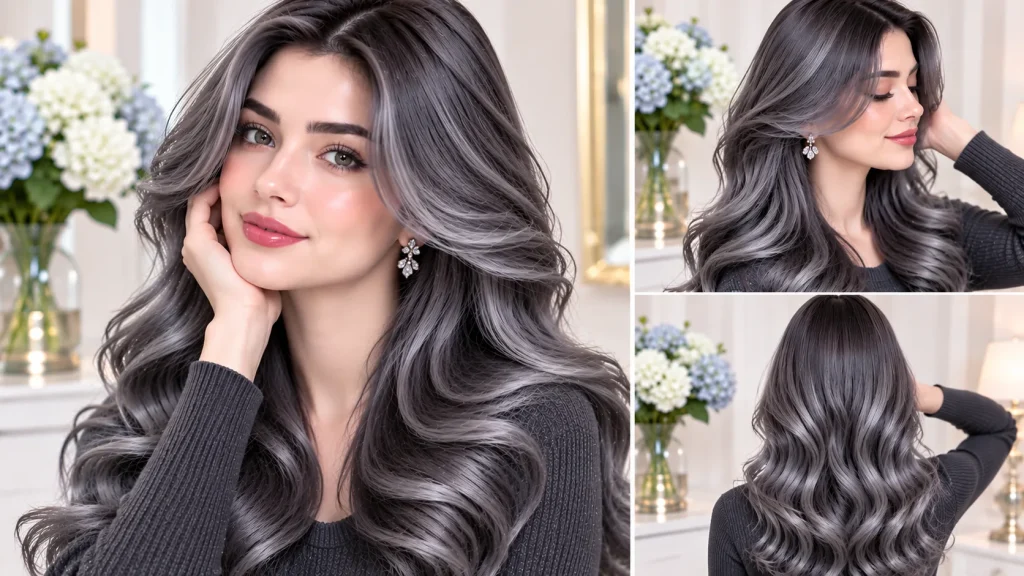
Gunmetal Gray
Gunmetal gray is a deep, smoky, slightly metallic gray. It’s darker than silver or platinum, with a cool, steel-like shine.
Edgy and modern, it’s a bold choice. It can look striking on short cuts, bobs, and sleek straight styles, where the color really shows.
Getting there usually takes some lightening, followed by a gray toner or dye. Gray tones can fade and turn slightly yellow or warm over time.
Tips for keeping it cool:
- Use a toning shampoo recommended by your colorist when needed, since purple and blue-based products work differently depending on the undertones in your gray formula
- Avoid very hot water, which can speed up fading
- Use heat protectant before styling
If you’re naturally going gray, a colorist may also blend gunmetal tones with your own gray for a deliberate, polished look.
Color by placement (three ideas):
Halo Hair Color
Halo color uses placement rather than an unusual shade. A band of color is placed across the upper sections of the hair, often around the crown, while the hair underneath stays darker or a different color. Depending on the technique, it can create a contrasting upper section or a visible colored frame closer to the hairline.
It’s different from peekaboo color, which hides a bright shade underneath. With halo color, the lighter or brighter shade sits on top, where it’s seen first.
Popular combinations:
- Blonde halo over dark brown underneath
- Copper or auburn halo over espresso
- Silver halo over black
When your hair is down, you see mostly the top color. When it’s tied up or tucked behind your ears, the darker underneath shows through, which gives a striking two-tone effect.
It’s a clever way to brighten your look while keeping some of your natural color for easier grow-out. Because the underneath stays close to your natural shade, regrowth is less obvious than with an all-over color.
Ask your colorist to section the halo carefully. Uneven sectioning can make the line between colors look patchy.
Calico Hair
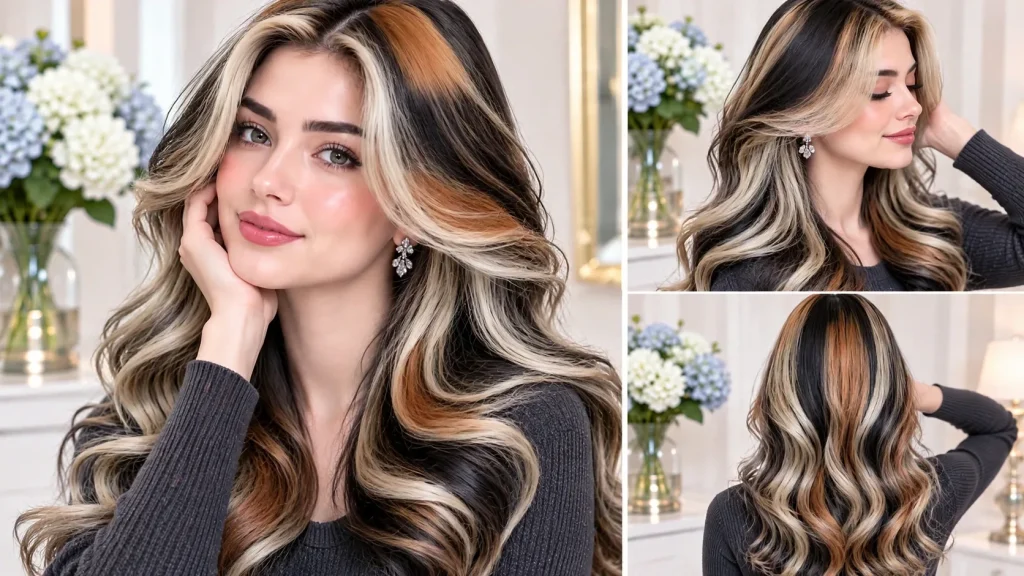
Calico hair is inspired by calico cats, with their patches of black, orange, and white or cream.
Instead of stripes or gradients, the colors are placed in soft patches through the hair. There’s no fixed formula. Black, ginger, and pale blonde are common inspiration colors, while brown, copper, and honey create a softer version.
Playful and very eye-catching, calico is for people who enjoy bold, artistic hair.
This look usually needs careful sectioning and several shades of lightener and dye, so it’s best left to an experienced colorist. Expect a longer appointment.
A softer way to try it is with just two colors, like espresso and copper, placed in larger patches.
Calico hair looks especially good on hair worn down and loosely styled, since the patches show best when the hair moves freely. Tight updos can hide much of the pattern.
Opal Pastel Shimmer
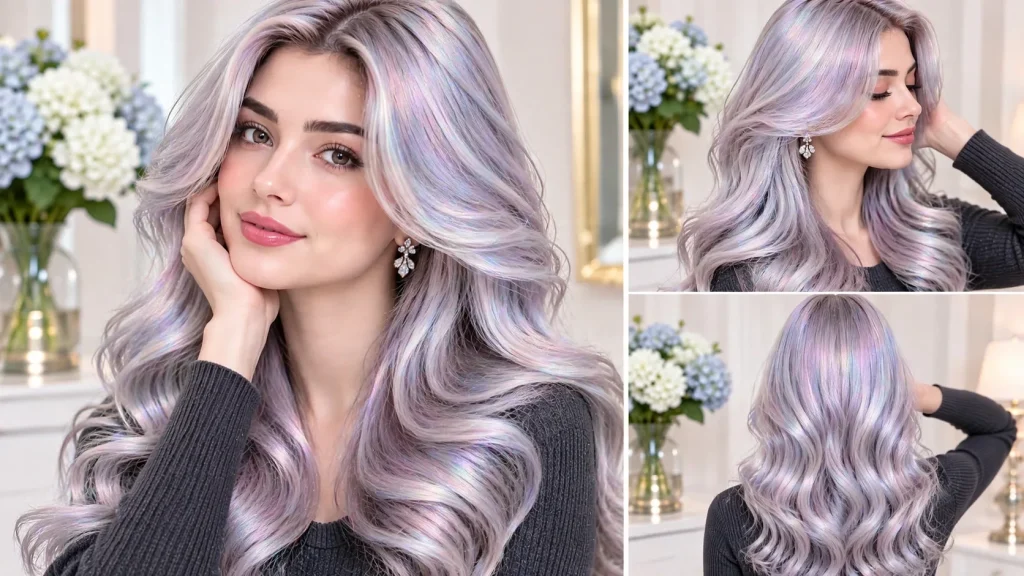
Opal hair takes inspiration from opal gemstones, with their soft mix of pastel colors and a glowing shimmer.
On very light blonde hair, a colorist adds gentle washes of pastel pink, lavender, blue, and mint that melt into each other. The result looks pale and pearly from a distance, with soft color shifts up close.
It’s dreamy and delicate, perfect for someone who loves fashion colors but doesn’t want anything too bright.
Like peach, it usually needs hair lightened to pale blonde first, and pastels fade quickly, so expect touch-ups. Gentle, sulfate-free shampoo and cool water help it last.
Opal shades often fade softly into a pale blonde, which many people find pretty in its own way.
Temporary or Permanent?
Not every color has to be a long commitment.
Temporary color sits on the surface and usually washes out in one or a few shampoos. Hair chalk, sprays, and color-depositing products fall here.
Semi-permanent color coats the hair and fades gradually, often over several weeks. Many fashion shades, like peach and opal tones, are semi-permanent.
Demi-permanent color uses a low-strength developer. It’s often used for glosses, toners, and blending, like a mauve brunette tint.
Permanent color changes the hair’s color more lastingly and grows out rather than washing out.
The best option depends on the result you want, your starting color, and how long you’d like it to last. Lightened hair stays lighter even after a temporary or semi-permanent shade fades.
Matching Color to Hair Length
These are suggestions, not rules.
Short hair: Vivid Ruby Red, Gunmetal Gray, and Mauve Brunette look sharp on crops and bobs.
Medium hair: Tiger Eye Brown, Halo Hair Color, and Deep Plum have enough length to show dimension.
Long hair: Calico Hair, Opal Pastel Shimmer, and Pastel Peach show their patches and soft shifts best with extra length.
Finding Your Undertone
Many colorists look at skin undertone when suggesting a shade. It isn’t a strict rule, but it can help narrow things down.
A rough check: look at the veins on your inner wrist in daylight. Mostly blue or purple may suggest cool undertones, mostly green may suggest warm, and a mix may mean neutral. It’s only a rough indicator, so treat it as a starting point rather than a reliable test on its own.
Cool undertones often suit Deep Plum, Mauve Brunette, Gunmetal Gray, and berry-leaning rubies.
Warm undertones often suit Tiger Eye Brown, Pastel Peach, and warmer rubies.
Neutral undertones can usually wear most of these hair color ideas, with small adjustments to the tone.
Your eye color, eyebrow color, and the makeup you usually wear matter too. If a shade makes you look tired in photos, ask your colorist to nudge it warmer or cooler.
A Simple Way to Choose
Still unsure? Ask yourself three questions.
How much upkeep can I manage? If the answer is “not much,” look at Tiger Eye Brown or Deep Plum. If you’re happy to refresh often, try Ruby Red, Pastel Peach, or Opal.
How much lightening is my hair ready for? Darker shades and toners are usually gentler. Pastels and gray often need more bleaching.
Where do I wear my hair most? If you tie it up a lot, Halo Hair Color gives you two looks in one.
A Real-World Example
Imagine someone with long, dark brown hair who wants a change but works in a fairly conservative office.
Full ruby red or calico feels like too much. Instead, she chooses Deep Plum. At work, it looks like a rich, dark brunette. On the weekend, in sunlight, the violet tones show through.
It’s a noticeable change that still fits her daily life.
Caring for New Color in the First Week
How well color holds depends on the dye type, your hair’s condition, and your washing routine. Good habits from the start help.
- Ask your colorist how long to wait before your first wash, since advice varies by product
- Rinse with cool or lukewarm water rather than hot
- Use a gentle, color-safe shampoo and conditioner
- Use heat protectant before blow-drying, straightening, or curling
- Wear a hat or use a UV-protecting hair spray on long sunny days
- If you swim, wet your hair with clean water first and rinse soon after, since chlorine can change or fade some shades
Bleached hair may feel drier than usual, so a weekly conditioning mask can help keep it soft.
Hair Color Mistakes to Avoid
Skipping the patch test. Allergic reactions can happen even with products you’ve used before.
Going too light, too fast. Big jumps from dark to pale can damage hair. Spreading lightening over several appointments is often gentler.
Using regular shampoo on fashion colors. Harsh shampoos can strip color quickly.
Ignoring your lifestyle. Very bright shades may not suit some workplaces or schools, and high-maintenance colors need regular salon time.
Questions About Hair Color Ideas
What hair color is easiest to maintain?
Shades close to your natural color, or soft dimensional looks like Tiger Eye Brown, usually grow out most gently.
Can I get pastel hair if I have dark hair?
Often, yes, but it usually means lightening first, sometimes over several sessions. A colorist can tell you whether your hair is healthy enough.
How long do fashion colors last?
It varies. Pastels can fade within a few weeks, while deeper shades like plum often last longer.
Should I color my hair at home or at a salon?
Simple, single-shade colors can be done at home if you follow the instructions carefully. Lightening, pastels, and placement looks like halo or calico are usually best done by a professional.
How can I make hair color last longer?
Wash with cool water, use color-safe shampoo, limit heat styling, and refresh with a gloss or tinted conditioner.
Find the Shade That Feels Like You
The best hair color ideas aren’t always the trendiest. They’re the ones that fit your hair’s health, your daily routine, and the way you want to feel when you catch your reflection.
Start with your comfort level, bring a few photos to your colorist, and be honest about how much upkeep you’re happy with. A good colorist can take it from there.